(TRY SCROLLING)

About 1 in 10 people,
suffer from asthma disease!
Day by day, the number of people suffering from asthma is increasing. It is a very common disease yet unknown to many. This website is an attempt to spread awareness about asthma and its causes while also helping you to achieve a better health and future safety from asthma.
Let's learn more about it!
So, What exactly is asthma?
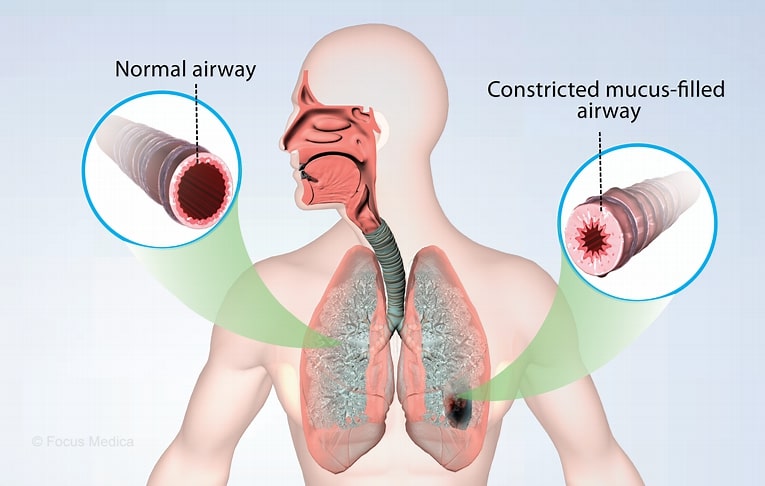
Asthma is a condition in which your airways narrow and swell and may produce extra mucus. This can make breathing difficult and trigger coughing, a whistling sound (wheezing) when you breathe out and shortness of breath. For some people, asthma is a minor nuisance. For others, it can be a major problem that interferes with daily activities and may also lead to a life-threatening asthma attack. It can happen to anyone and is a pretty common disease!
Asthma is a condition in which your airways narrow and swell and may produce extra mucus. This can make breathing difficult and trigger coughing, a whistling sound (wheezing) when you breathe out and shortness of breath. For some people, asthma is a minor nuisance. For others, it can be a major problem that interferes with daily activities and may also lead to a life-threatening asthma attack. It can happen to anyone and is a pretty common disease!
And, How is it caused?
The exact cause of asthma is not fully understood, but it is believed to result from a combination of genetic and environmental factors. There could by many reasons for the cause of asthma. Here are some key factors that contribute to the development of asthma within your body —
Genetic predisposition
Asthma tends to run in families, suggesting a genetic component. If you have a family history of asthma, you may be more likely to develop the condition.
Environmental allergens
Exposure to certain substances and allergens can trigger asthma symptoms in susceptible individuals. Common triggers include pollen, dust mites, pet dander, mold spores, and certain chemicals or irritants in the environment.
Respiratory infections
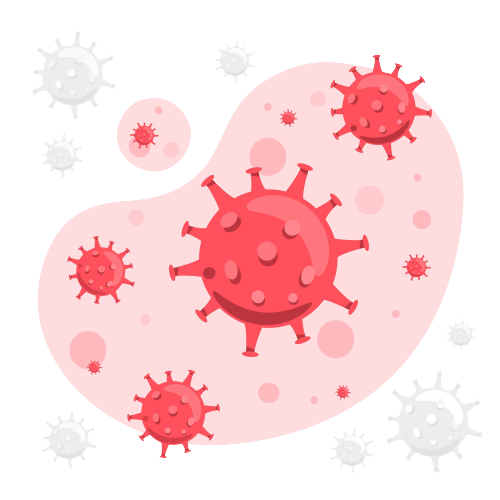
Viral respiratory infections, particularly in early childhood, have been associated with an increased risk of developing asthma. Certain respiratory viruses can cause inflammation in the airways and contribute to the development of asthma in susceptible individuals.
Obesity
Obesity has been linked to an increased risk of developing asthma. The exact mechanisms are not fully understood, but it is believed that the inflammation associated with obesity can affect the airways and contribute to asthma symptoms.
Occupational factors & Air Pollution
Certain workplace environments or exposures to substances like chemicals, dust, or fumes can contribute to the development or exacerbation of asthma in some individuals. Also, Exposure to air pollution, such as vehicle exhaust, industrial emissions, and particulate matter, can irritate the airways and trigger asthma symptoms or worsen existing asthma.
Allergic reactions
Some people with asthma have allergic reactions to specific substances, such as pollen, dust, or certain foods. When exposed to these allergens, their immune system reacts by releasing chemicals that cause inflammation and constriction of the airways.
Can we cure asthma?
Unfortunately, there is currently no cure for asthma. However, the symptoms of asthma can be managed and controlled with proper treatment and lifestyle modifications. Treatment typically involves the use of medication, such as inhalers, to manage symptoms and prevent asthma attacks. Some people also benefit from allergy shots or immunotherapy to reduce sensitivity to triggers. Here are some ways to reduce symptoms of asthma —
01Follow your treatment plan

02Exercise regularly and safely!

03Always Stay Clean and Hygienic!

04Avoid any allergies or germs!
05Stay away from stress and be calm

Hey, But how can I avoid asthma attacks?
The best way to avoid asthma attacks is to avoid triggers and take your medication as prescribed by your doctor. Staying away from things that trigger your asthma is the best way to prevent an asthma attack. You can also avoid going outside when the air quality is poor or when there are high levels of pollen in the air.

Can I somehow predict asthma?
Yes, It is possible to predict the risk of developing asthma in infants and and toddlers based on factors such as family history, atopic dermatitis, allergic sensitization, and wheezing symptoms. By assessing these risk factors, our risk calculator can identify children who may be at a higher risk of developing asthma later in life.
